

Importance of Taking Annual Leave: Managing Stress and Enhancing Well-Being During the Holidays
Taking annual leave is vitally important for everyone as it allows us to rest, recharge, and maintain a healthy work-life balance. However, many people fail to use all their entitled days, which can have a profound impact on us.
Exploring the Impact of Endocrine Disruptors on Breast Cancer Risk: A Complex Relationship
Endocrine modulators, also known as endocrine disruptors, are substances that can interfere with the endocrine system in humans and animals. The endocrine system is a complex network of glands and hormones that regulate various physiological processes in the body, including growth, development, metabolism, reproductive function, and immune response.
The Use of Hormone Replacement Therapy and Risk of Breast Cancer: What You Need to Know
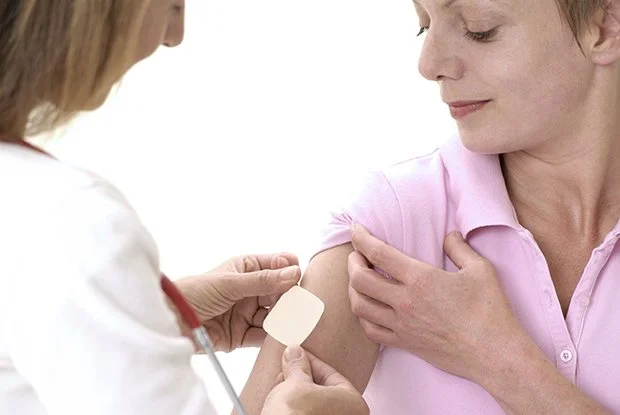
The risk of breast cancer associated with hormone replacement therapy (HRT) has been a topic of concern and discussion for both healthcare professionals and women. However, it is important to note that the perceived risk of breast cancer with HRT is often exaggerated and may influence decisions about its use.
Can Exercising Alone Lead to Weight Loss?
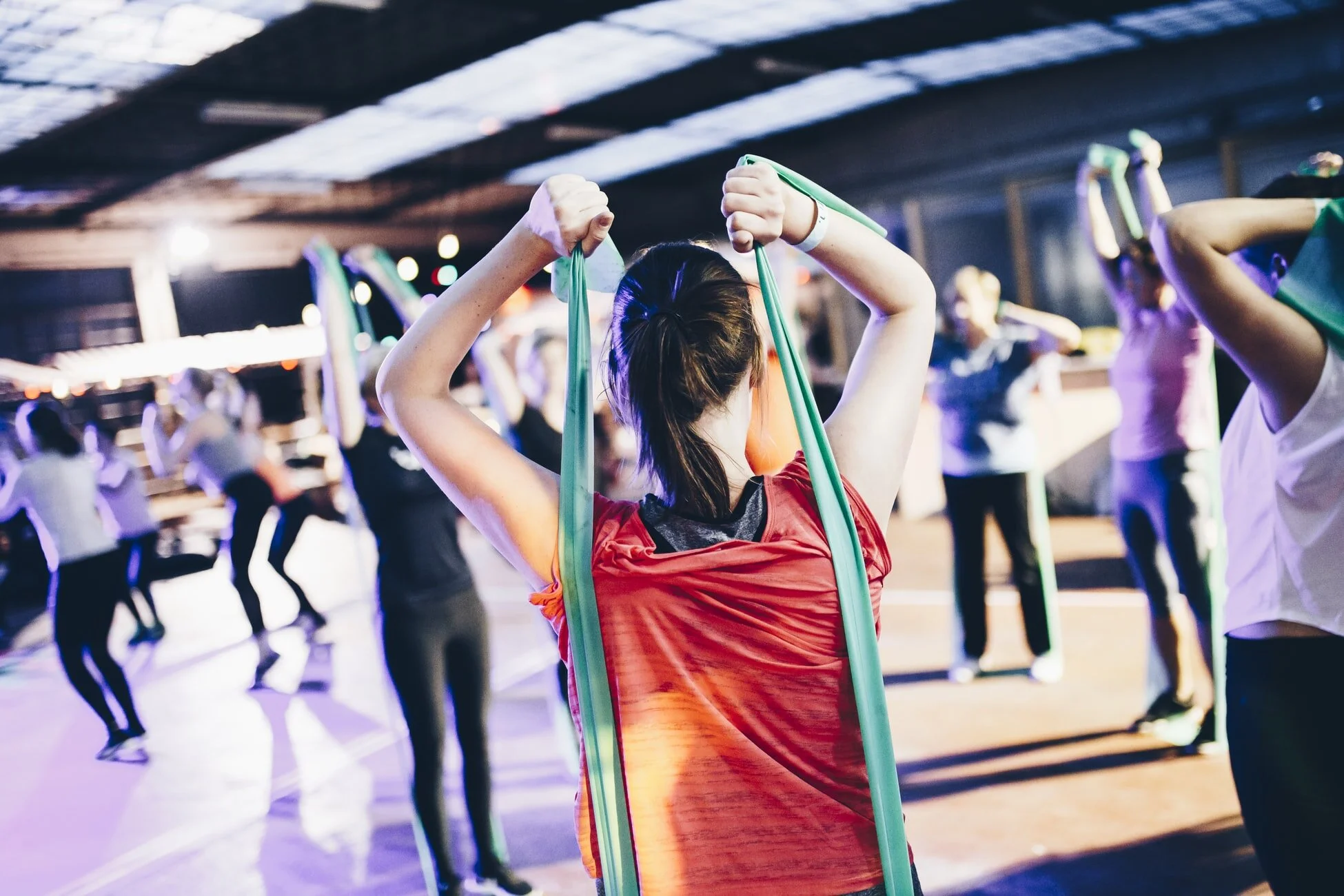
Health and fitness industry promotes exercise for weight loss and tells that weight loss is healthy and positive. Is it correct? Such information certainly makes us feel that we are not enough and need to spend money to feel better about ourselves.
Health and fitness industry is getting bigger and bigger. Many go to fitness classes, drink healthy smoothies or use personal trainers who make us work hard to achieve perfect bodies.

Breast Density and Breast Cancer Risks
Breast density is a breast imaging term that is assessed at the time of the mammogram. Increased breast density means having a higher proportion of parenchymal breast tissue (breast glands, ducts and supportive tissue) relative to fatty breast tissue.
On the mammogram, very dense breast tissue appears white while fatty non-dense tissue appears black. Increased density is associated with younger age, lower body mass index (slimmer women) and women who take hormone therapy for menopause.
High Infertility Rates in Female Surgeons
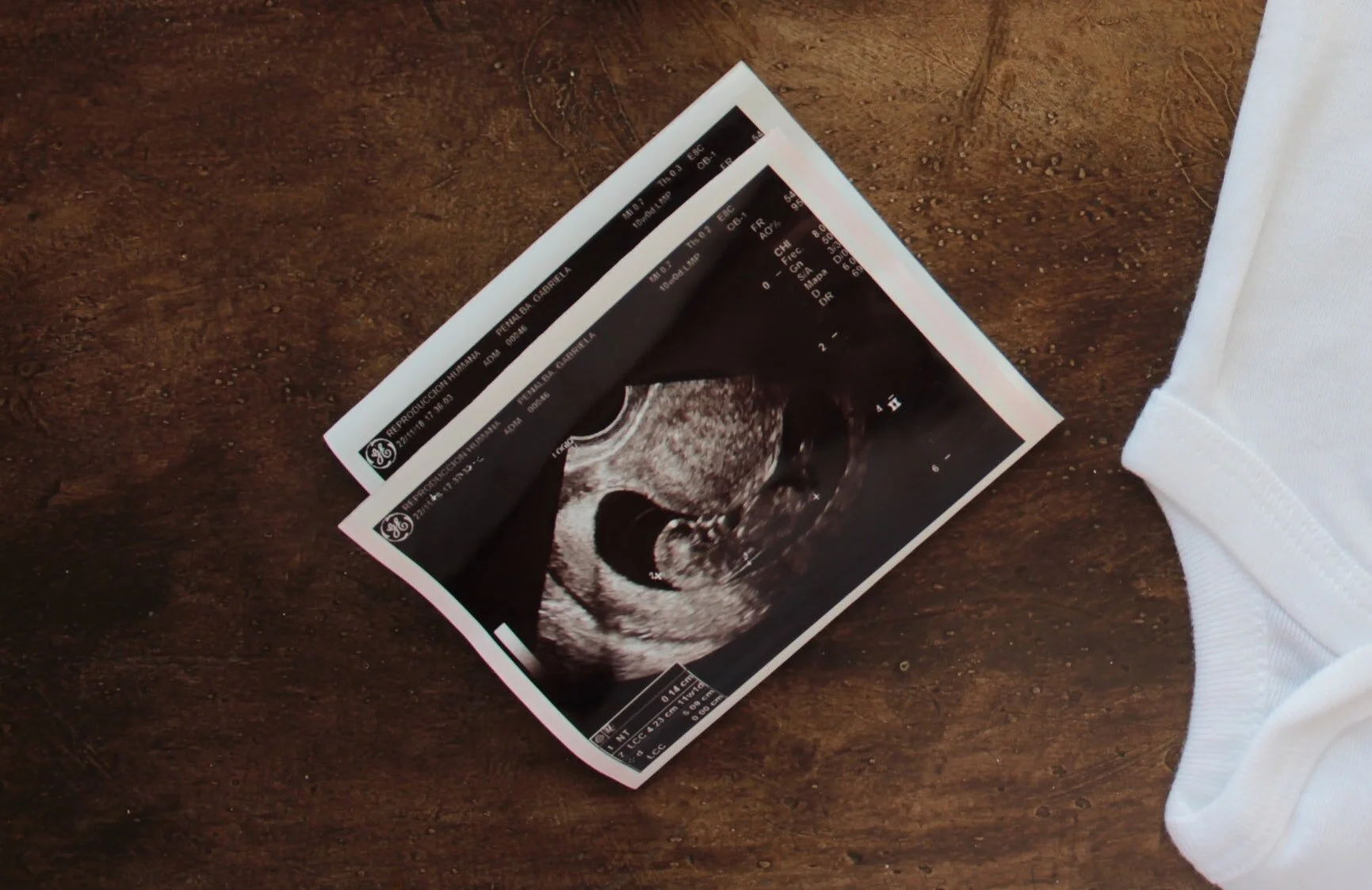
Recent articles from Stuff and JAMA Surgery spoke about higher rates of infertility and pregnancy complications in female surgeons.
The JAMA study that the Stuff article was based on is not well-conducted research. It compares female surgeons to the general population. It is suggested that higher infertility rates are related to operating theatre risks. It is an incorrect way to conduct research.
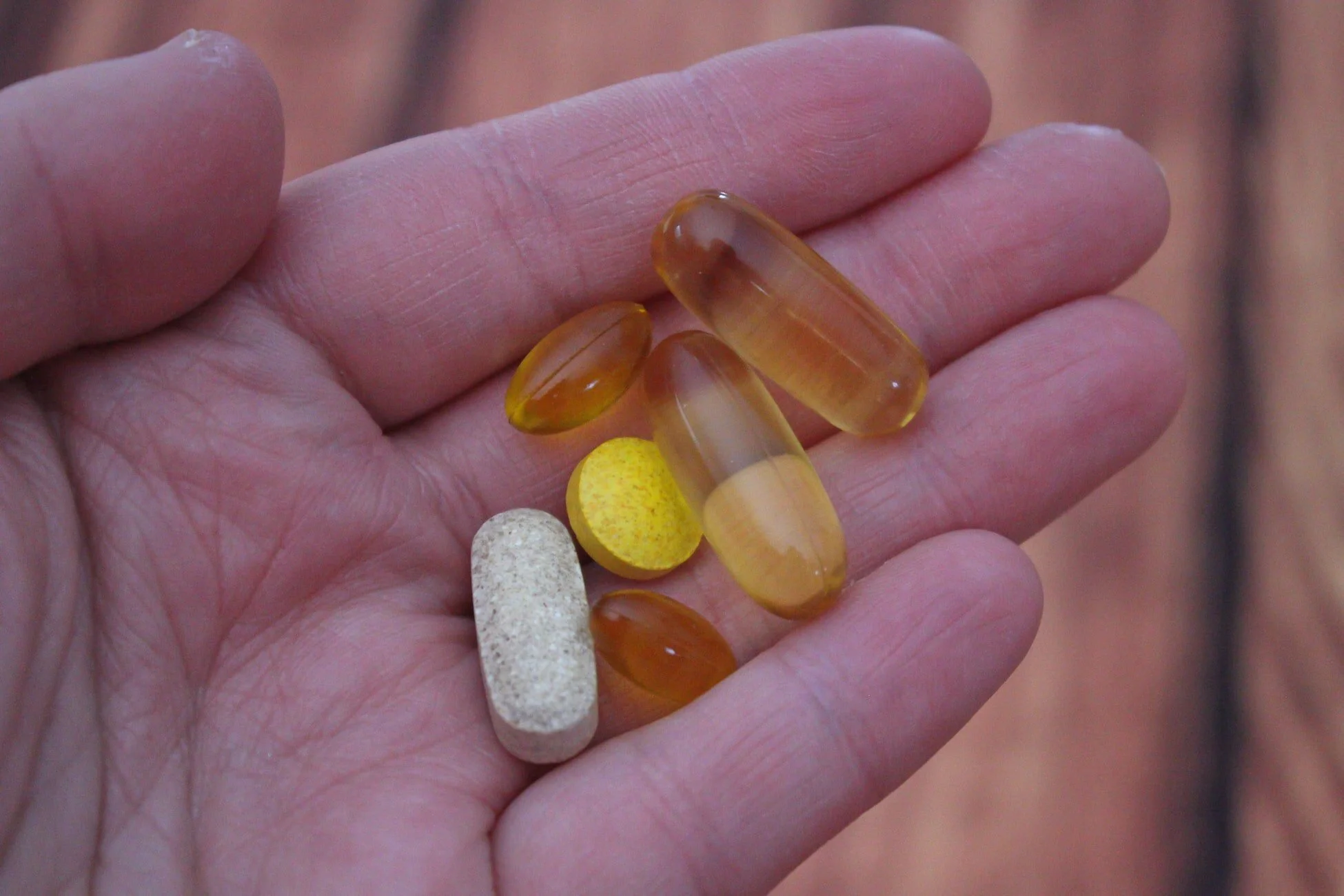
Taking Supplements During Chemotherapy
Many patients of mine ask me if it's safe to use supplements during chemotherapy. My usual answer is "we do not know, so it's probably best if you do not take anything".
A recent study published in the Journal of Clinical Oncology showed that the use of supplements had been associated with worse outcomes in breast cancer patients.
Healthcare During New Zealand Lockdown (Covid-19)
It has been two weeks since New Zealand has gone into lockdown. Some people have been worried about the way healthcare is operating during this time. Especially people who have had developed cancer or those concerned they may have it.
I wanted to write this to reassure you that things are going fine. We doctors are committed to providing excellent care and minimising patients' exposure to coronavirus during their time in hospital.
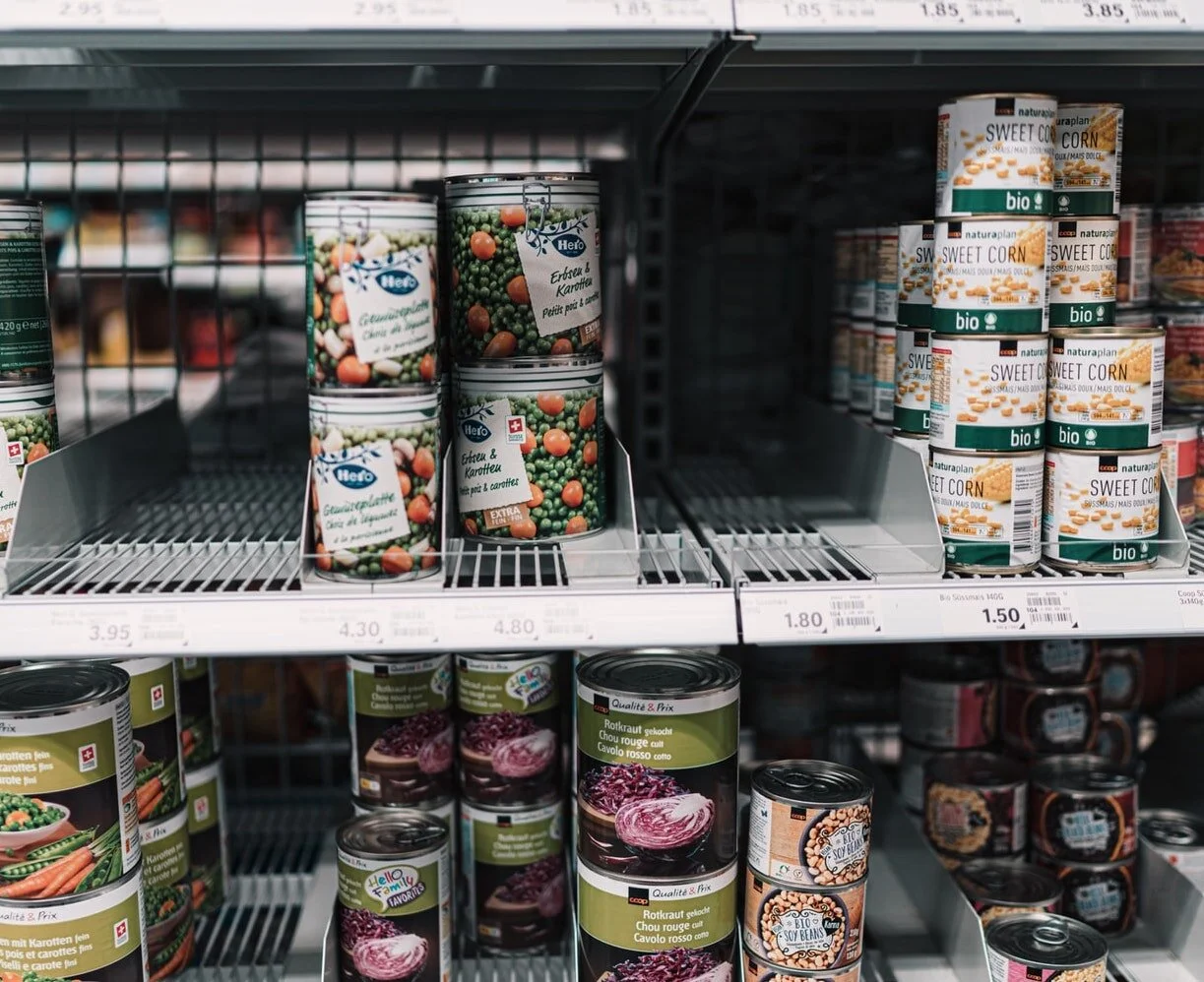
Ultra-Processed Food Consumption and Cancer Risks
Ultra-processed food is cheap, mass-produced and hyper-palatable ready-to-eat food. It includes packaged snacks, sugary drinks, bread, confectioneries, ready-made meals and processed meats.
It is known that ultra-processed food consumption is associated with an increased rate of mortality. Consumption of this food has significantly increased in the Western world, especially the USA, Australia, UK and New Zealand. The French government has developed a policy aiming to decrease ultra-processed food consumption. Possibly the New Zealand government should do the same.
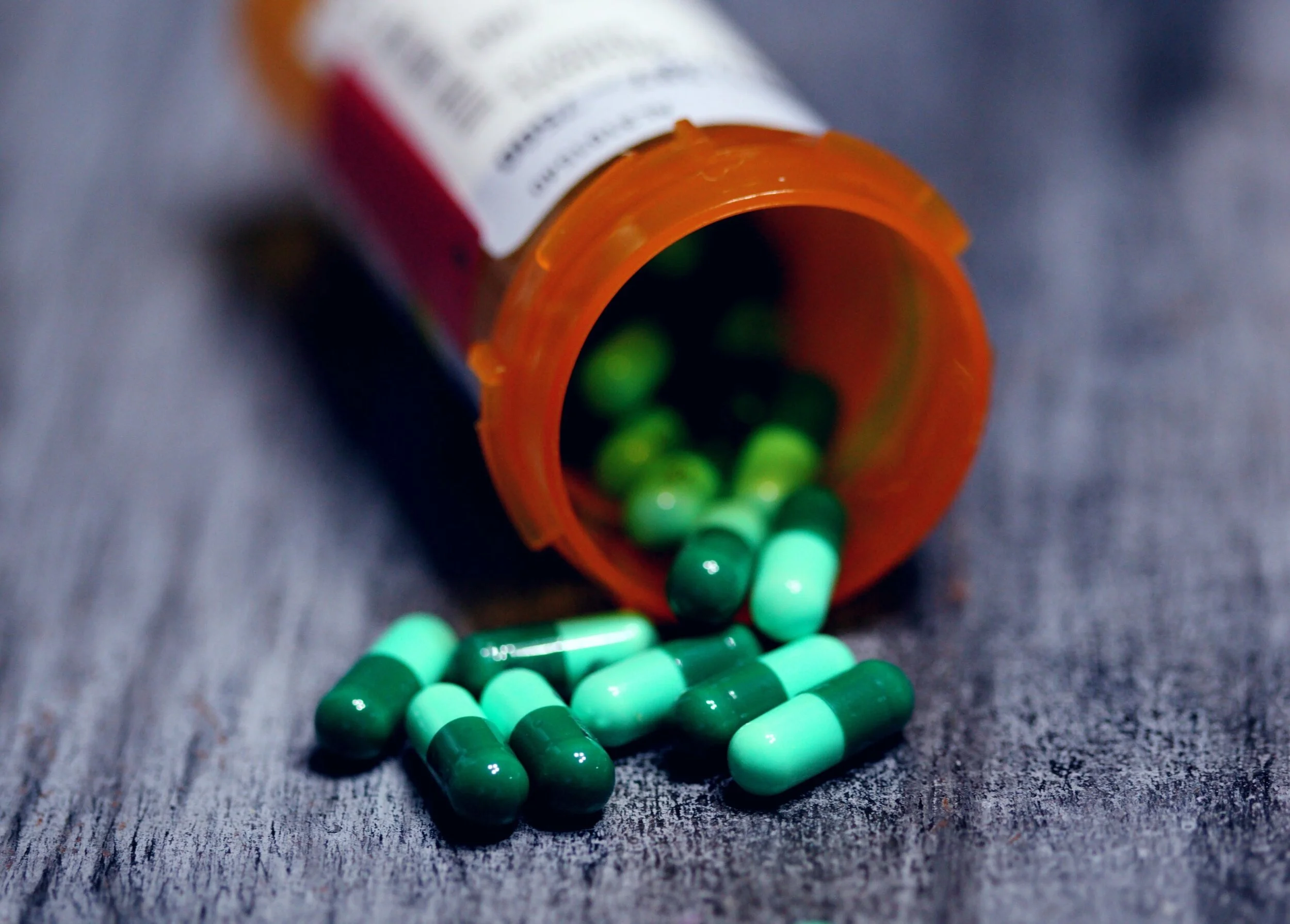
Hyperthyroidism and Radioiodine Treatment
Hyperthyroidism is a condition in when the thyroid produces too much thyroid hormone. Some people call this condition overactive thyroid.
Radioactive iodine has been used for the treatment of hyperthyroidism for a very long time. Other treatments include antithyroid medications and surgery (removing part of a whole thyroid).
Radioactive iodine involves a patient swallowing a tablet of radioactive iodine (I 131). This is not external beam treatment, which is the most common radiation treatment given.
Why Trials Focused on Females are Necessary
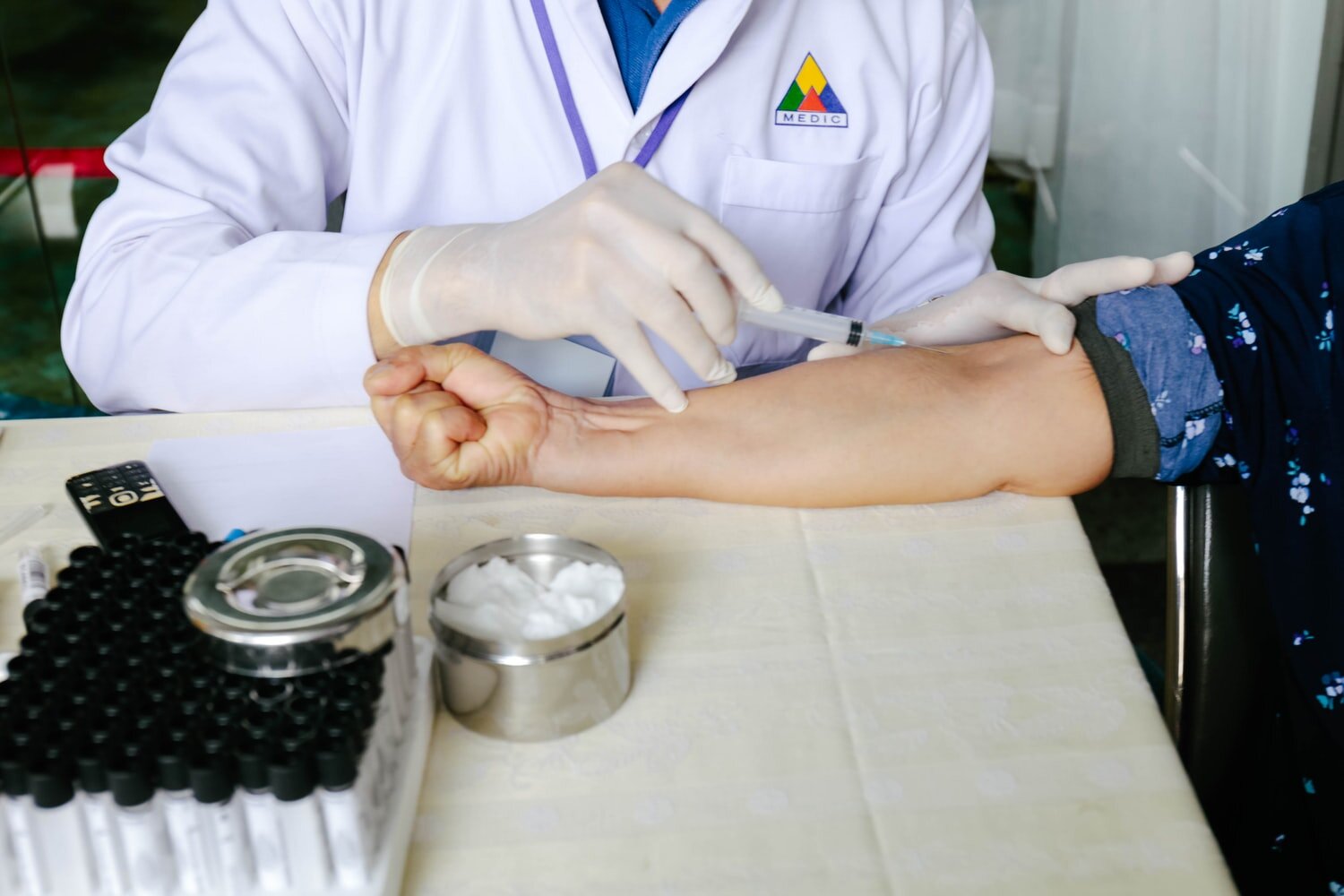
Until recently, I never thought about the fact that many studies have uneven ratios of men vs women. I didn’t realise that many trials show results based on the majority of men.
How could I be so mistaken?
Throughout my medical school and training as a surgical registrar (surgeon in training), we were never taught to look at how many women that were enrolled in trials. Most specialists talking about experiments also did not mention this.
Should we eat meat?
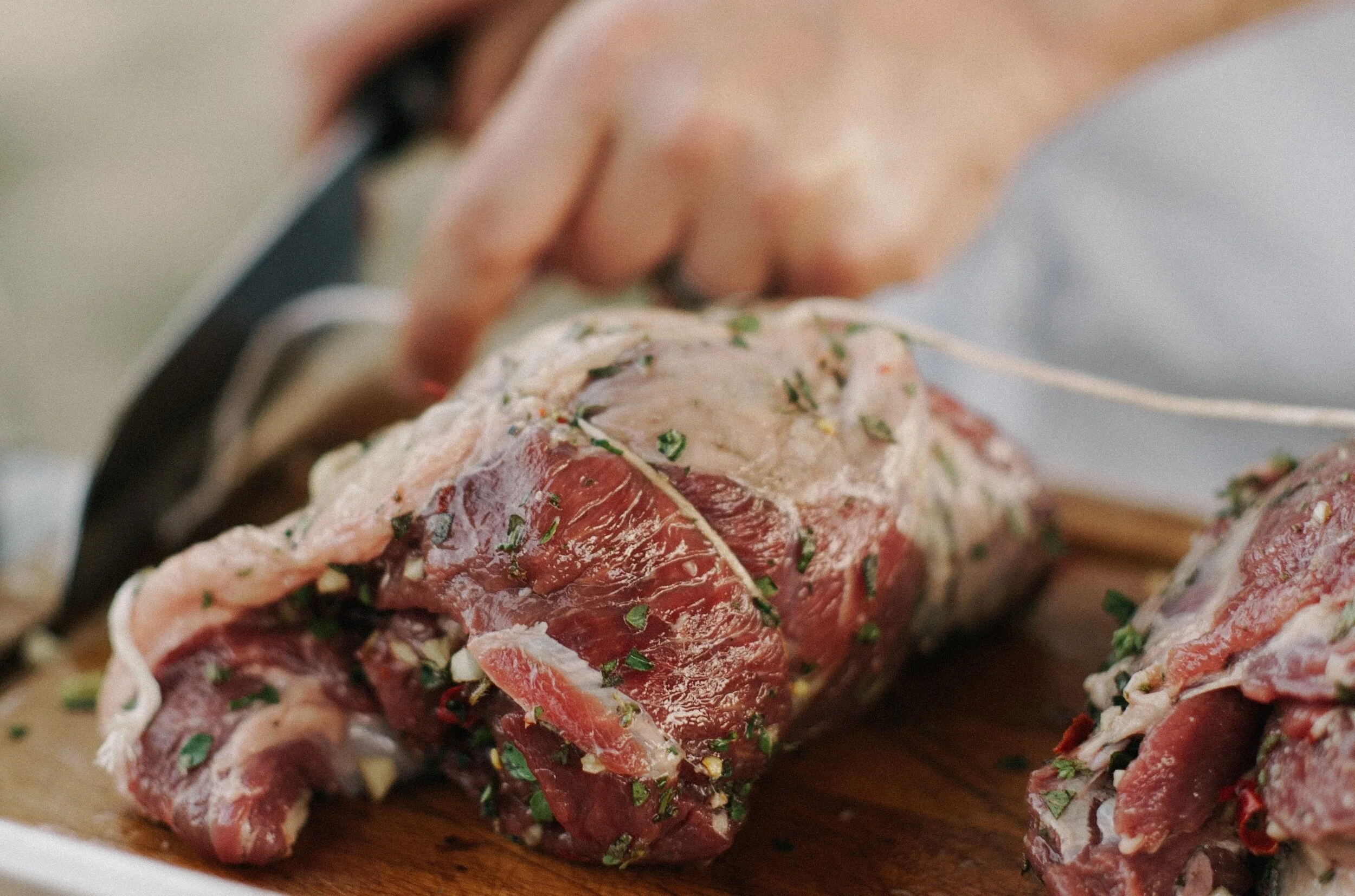
This is a hard question to answer. I personally love eating red meat. I was brought up in former Yugoslavia (mostly in Croatia) on cured meat and red meat (mostly pork). I love eating salami, prosciutto, ham etc.
The curing method was invented to be able to store meat during the months when it wasn’t readily available. Animals were raised during spring, summer and autumn and usually, at the end of autumn, they were ready to be processed into meat. I still remember my grandparents preparing meat. The whole animal was utilised for food, from intestines for sausage casings to fat for cooking. Some parts were of course used for creating cured meat (sausages, prosciutto, blood sausages and others).
Healthy Diet Can Minimise the Risk of Breast Cancer
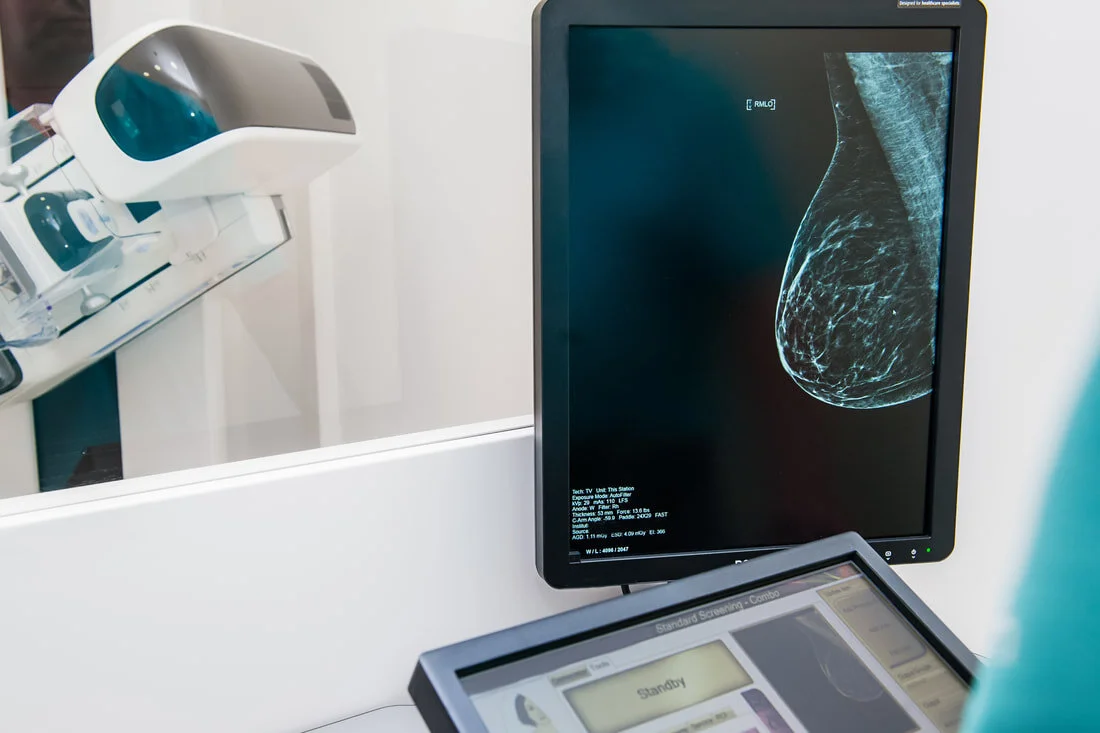
Recently a study on the impact of a low-fat diet on breast cancer was published showing that a low-fat diet is associated with a 20% risk reduction of mortality from breast cancer.
In this study they followed 50,000 women, half had changed their diet to low fat (for at least eight years in duration), and half continued with "normal diet".
Female Surgeons, Musculoskeletal Problems and Surgical Equipment
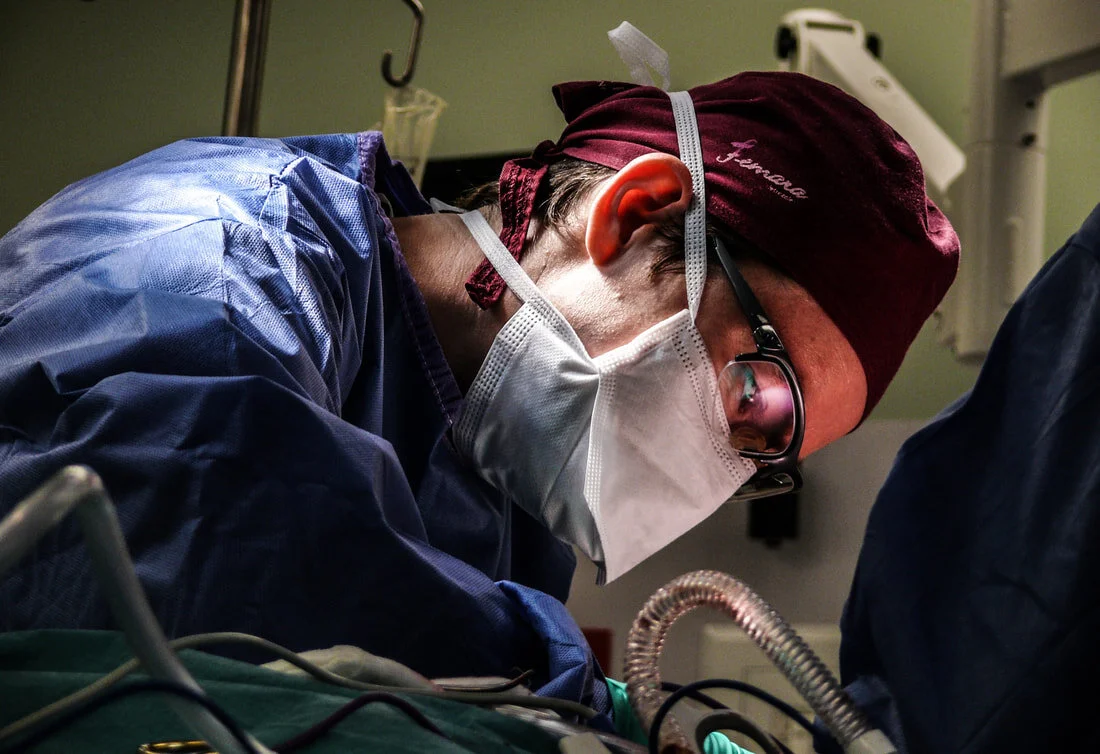
I have noticed over the last three years that I have been getting more musculoskeletal problems after my days in an operating theatre. At that stage, I decided to change a few things regarding this problem, but more importantly, I decided to research this topic, and it's prevalence among surgeons.
How Often Have You Worked When Sick?
How often have you worked when sick?
If you ask me, too often.
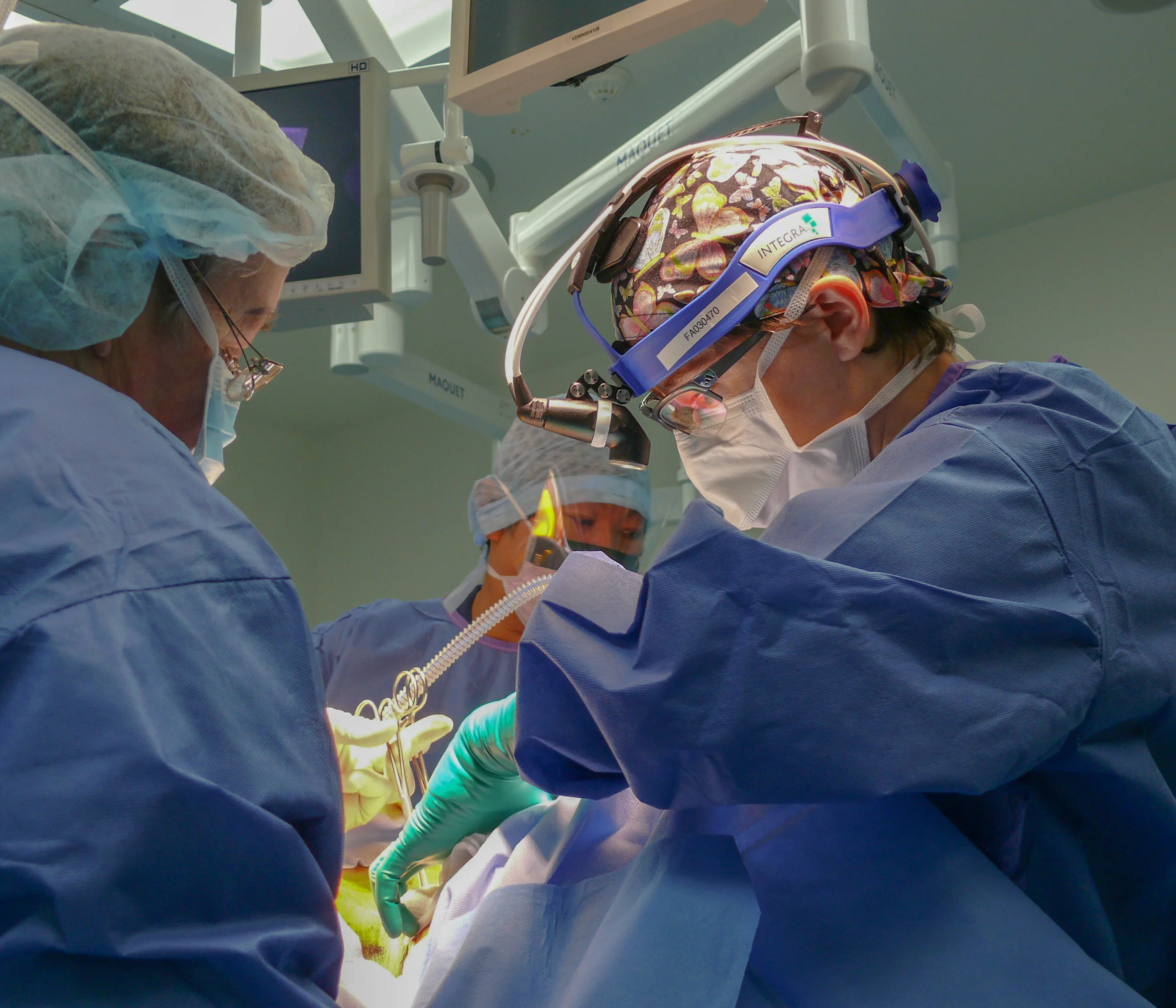
As a doctor, I have often turned up at work when sick. Turning up at work sick is not good at all. When I think back on it, I should not have gone, but it's always hard at the time.
Cancer Battlefield: Should We Be Using This Analogy?
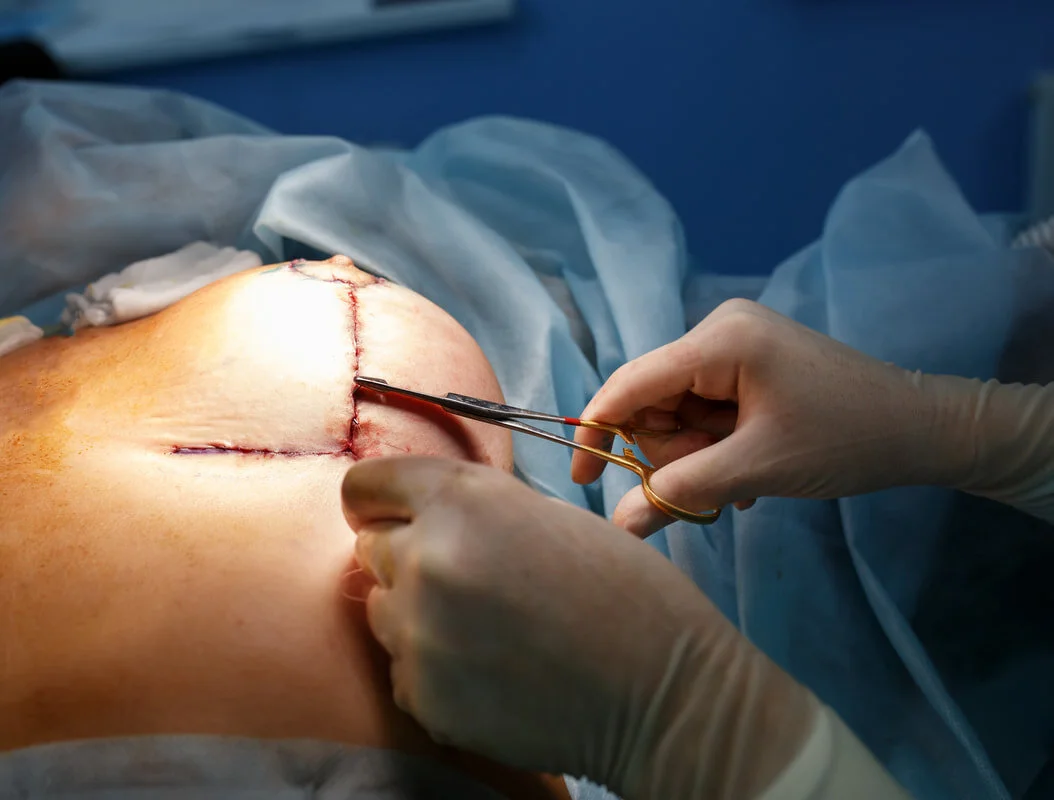
I am a cancer surgeon. I often see patients who have been diagnosed with cancer.
Often I hear this from my patients:
"I am going to beat this cancer."
"Can I beat this cancer doc?"
"I am going to continue fighting this until I die."
Which Operating Theatre Caps Should I Use When I Operate?
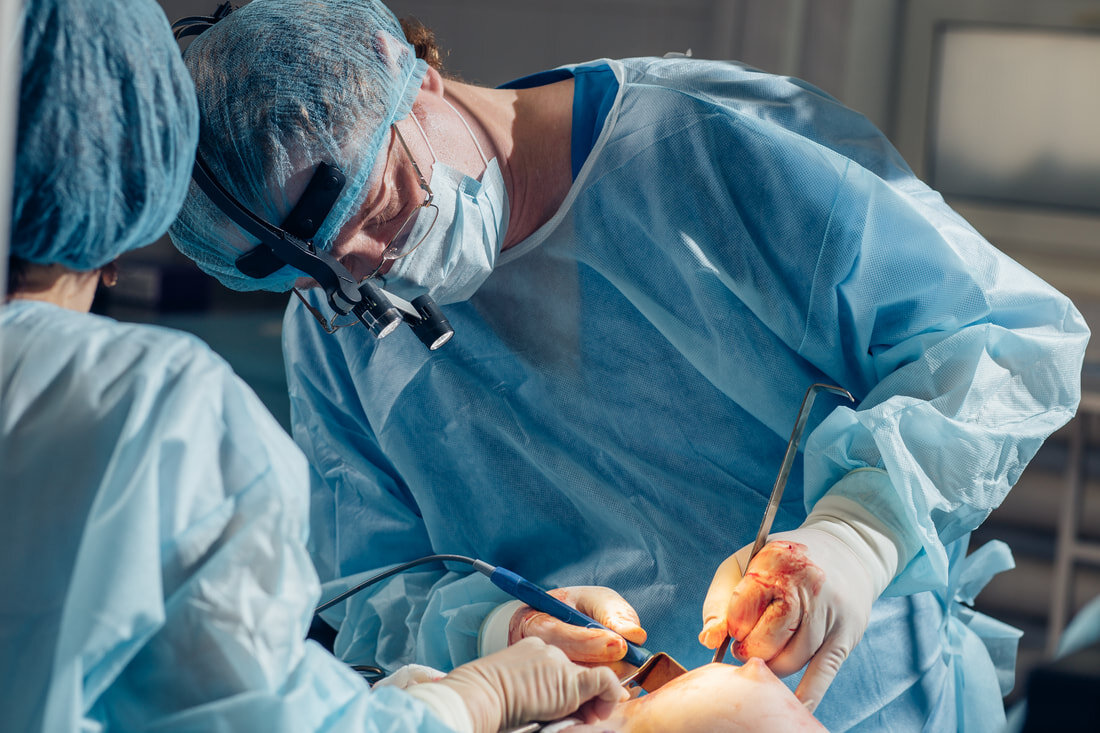
I love wearing scrubs and whole operating theatre attire. I also love having a fancy reusable operating theatre cap. I prefer using it to the ones that hospitals provide. Hospitals usually provide single-use ones, so they do not need to wash them. And the claim was that they are more sterile and less likely to lead to infections. But I do not like those.

Are There Any Downfalls In Using Sunblocks?
Sunscreen or Sunblock
It's one of the first lessons I learnt after coming to New Zealand. The first summer I burnt sooo badly on my trip to Northland enjoying the beaches that I had to change my ways.
Should 'Cancer' Be Dropped From The Name of the Low Risk Lesions
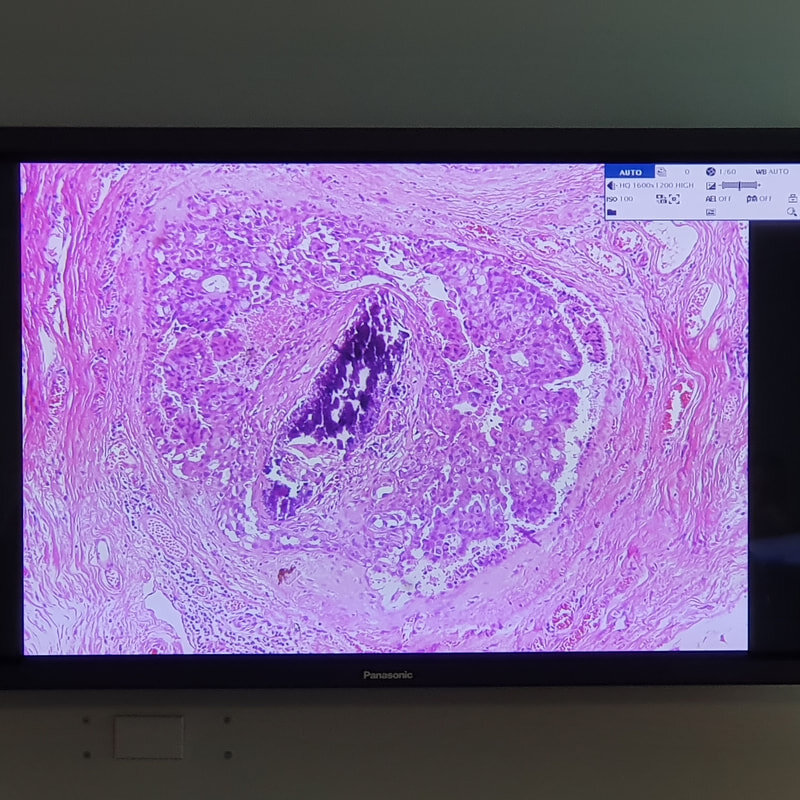
The name 'Cancer' invokes so many emotions in every patient who hears this word. Anything that they hear after that is in a fog of this emotion. Even us, doctors have the same reaction if we are faced with this diagnosis. The best description that I could find about this is in the book "When Breath Becomes Air" by Paul Kalanithi.
There are two examples where we have either changed the name or should be possibly thinking about the change.
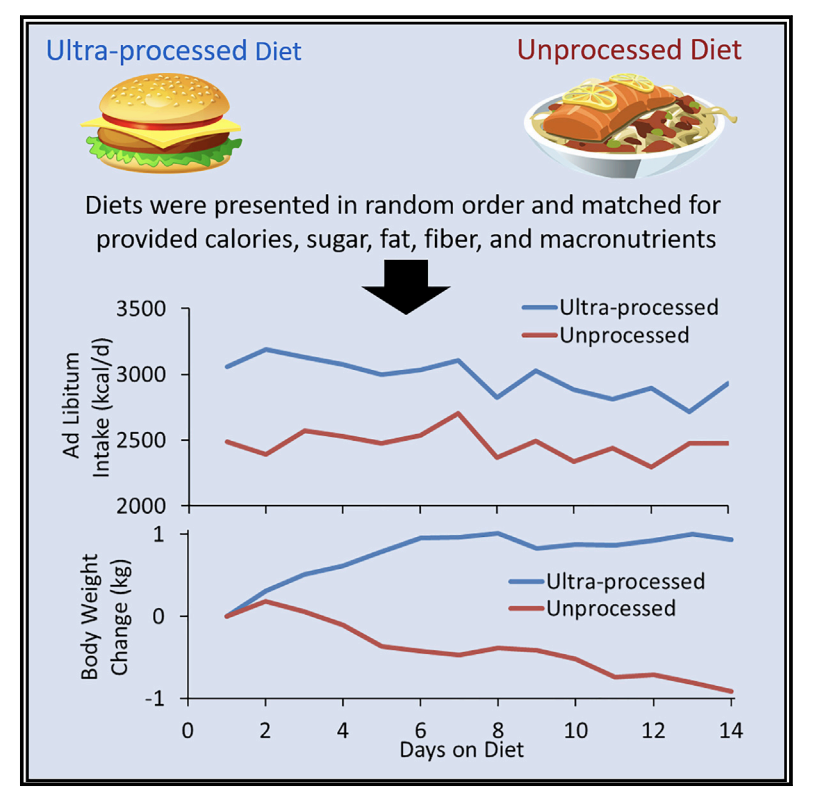
Why consumption of ultra-processed food leads to weight gain
I have always thought that eating raw food is better for us, and this study by Kevin D Hall et al proves this. Their study concludes that an average person eating ultra-processed food puts on almost 1kg in 2 weeks while eating unprocessed food leads to the same weight loss in the 2 weeks. And this is huge. So how did they do this?